CONTACT US
-

Phone:
-
+86 13880688289 WhatsApp:85247110845
-

Email:
1214654303@qq.com
jiandongshen728@gmail.com
-

Address:
No. F14, Area A, Nongyuan Art Village, Wuhou District, Chengdu

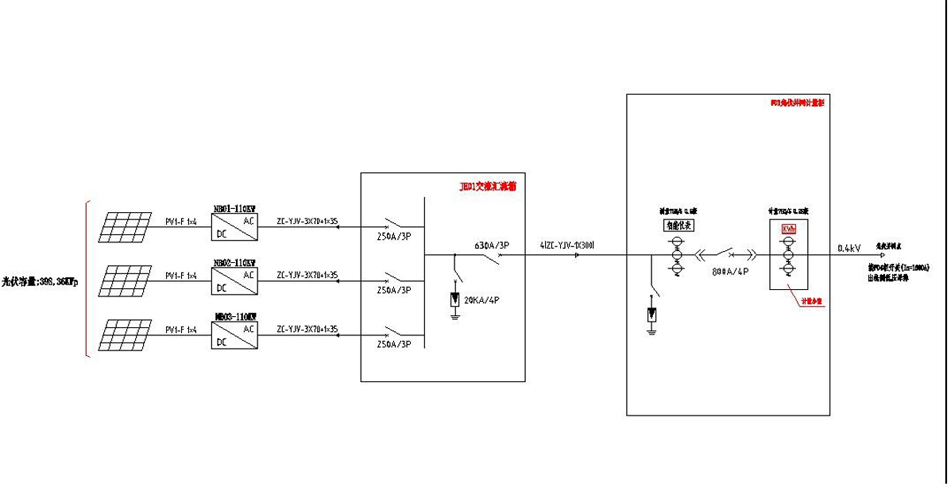
It includes safe, reliable and high-efficiency inverters, combiner boxes, grid-connected cabinets and other equipment.
The photovoltaic grid-connected cabinet is designed with Class 0.5S or higher metering accuracy, fast fault voltage separation, as well as multiple protection functions including voltage crossing interlock, overcurrent protection, overvoltage protection, anti-islanding protection, anti-reverse current protection, harmonic governance and reactive power compensation.
It features high power/large capacity, wide operating temperature range, modular design, easy maintenance and other advantages.
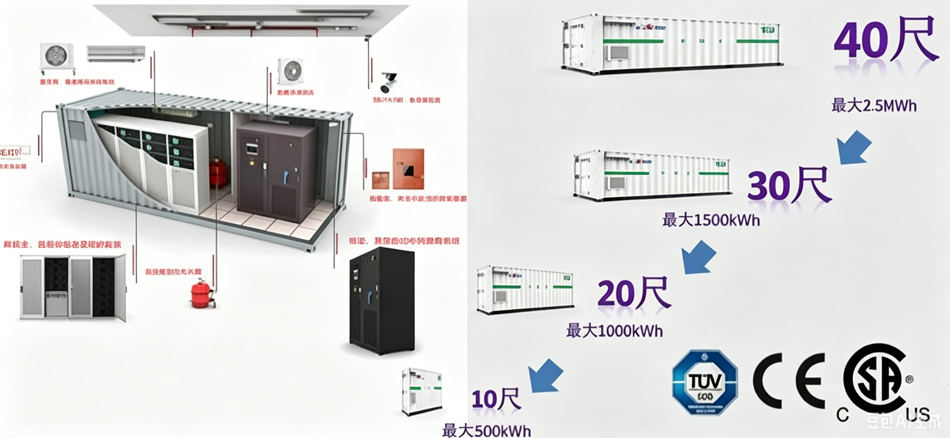
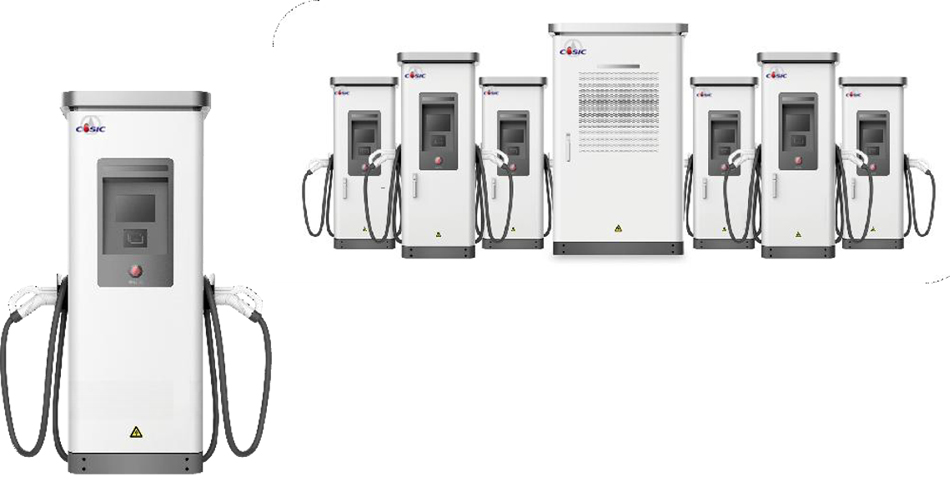
Integrated PV-Storage-Charging New Energy System
Please leave a message below, and we will get back to you at the earliest convenience.
Integrity builds the enterprise, innovation empowers development, diversity fosters coexistence, and value creates win-win results.

Phone:
+86 13880688289 WhatsApp:85247110845
Email:
1214654303@qq.com
jiandongshen728@gmail.com
Address:
No. F14, Area A, Nongyuan Art Village, Wuhou District, Chengdu